
BAROQUE CONFESSIONS
What happens when you wear a ridiculously elaborate gown and hold symbolic objects while looking royal as fuck.
THE QUEEN
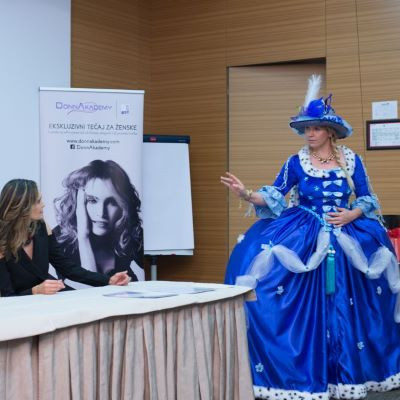
I'm embodying baroque royalty in a sapphire-blue gown with white ermine trim and an ornate, feathered hat. The voluminous skirt, the theatrical pose - it's a court presentation, a royal decree.
Every detail carries meaning. Even if you miss it, it's there.
This is what power looked like when women weren't allowed to just HAVE it - they had to PERFORM it through dress, posture, presentation. Through costume as armor.
I'm embodying baroque royalty in a sapphire-blue gown with white ermine trim and an ornate, feathered hat. The voluminous skirt, the theatrical pose - it's a court presentation, a royal decree.
Every detail carries meaning. Even if you miss it, it's there.
This is what power looked like when women weren't allowed to just HAVE it - they had to PERFORM it through dress, posture, presentation. Through costume as armor.
THE CASKET
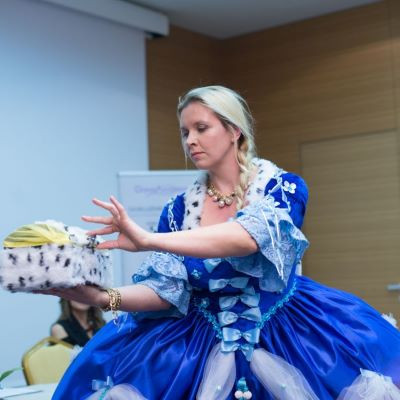
I'm holding a small casket - a symbol of mortality and hidden treasures. What we carry within us shapes how we move through the world.
Secrets. Wisdom. Burdens. The parts of ourselves we're told to hide because they're "too much" or "not appropriate."
We all carry caskets. The question is: Do we let them weigh us down, or do we carry them with grace?
I'm holding a small casket - a symbol of mortality and hidden treasures. What we carry within us shapes how we move through the world.
Secrets. Wisdom. Burdens. The parts of ourselves we're told to hide because they're "too much" or "not appropriate."
We all carry caskets. The question is: Do we let them weigh us down, or do we carry them with grace?
THE MIRROR
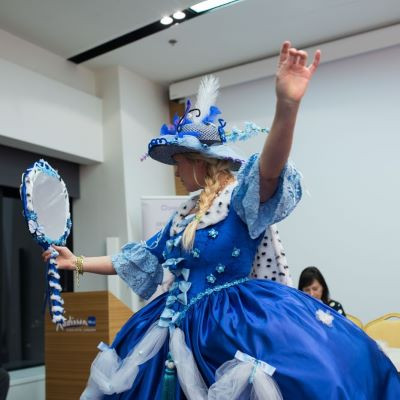
Wielding an ornate mirror, I become both observer and observed.
The mirror reflects not just an image but the truth. It forces viewers to confront what they actually see versus what they project onto it.
Are you looking at me? Or are you looking at your idea of me?
The mirror knows the difference.
Wielding an ornate mirror, I become both observer and observed.
The mirror reflects not just an image but the truth. It forces viewers to confront what they actually see versus what they project onto it.
Are you looking at me? Or are you looking at your idea of me?
The mirror knows the difference.
Artist note:
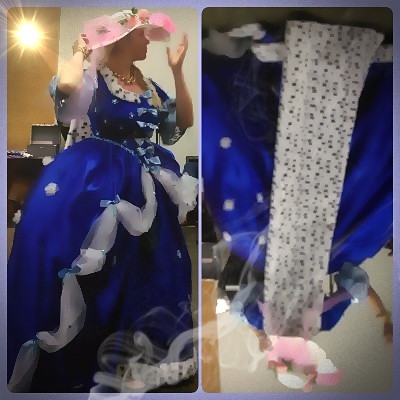
"Baroque Confessions" examines the performance of power through historical feminine authority.
Against the backdrop of courtly dress, this series explores the gap between public display and private reality. The ornate gown is armor for navigating spaces where being genuine can be dangerous.
The casket I hold represents what every woman carries: the secrets we're pressured to conceal. The parts society says are "too much." The wisdom that makes people uncomfortable.
The mirror confronts us with truth versus expectation. What we are versus what we're supposed to be.
These images reveal how women have always wielded power within systems designed to constrain them. The baroque aesthetic - all that elaborate, excessive, over-the-top decoration - reminds us that sometimes the most radical act is simply taking up space without apology.
This series explores the weight of wisdom, the burden of visibility, and the strength required to balance grace with truth.
To be seen and real at the same time. That's the work.
Against the backdrop of courtly dress, this series explores the gap between public display and private reality. The ornate gown is armor for navigating spaces where being genuine can be dangerous.
The casket I hold represents what every woman carries: the secrets we're pressured to conceal. The parts society says are "too much." The wisdom that makes people uncomfortable.
The mirror confronts us with truth versus expectation. What we are versus what we're supposed to be.
These images reveal how women have always wielded power within systems designed to constrain them. The baroque aesthetic - all that elaborate, excessive, over-the-top decoration - reminds us that sometimes the most radical act is simply taking up space without apology.
This series explores the weight of wisdom, the burden of visibility, and the strength required to balance grace with truth.
To be seen and real at the same time. That's the work.